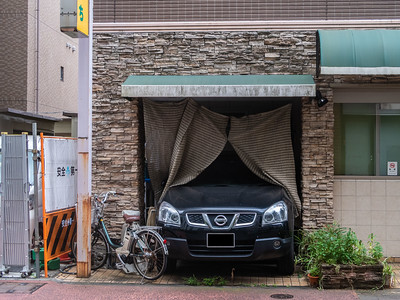
...you must prove that you have a garage. Any type of garage.
(For a bigger version of this picture both in color and black and white, check my "Japan Arekore" set on Flickr).

...you must prove that you have a garage. Any type of garage.
(For a bigger version of this picture both in color and black and white, check my "Japan Arekore" set on Flickr).
...πρέπει να αποδείξεις ότι διαθέτεις γκαράζ. Οποιουδήποτε τύπου γκαράζ.
(Για την ίδια φωτογραφία σε μεγαλύτερο μέγεθος και σε μαυρόασπρη εκδοχή, δείτε το σετ «Japan Arekore» στο Flickr).
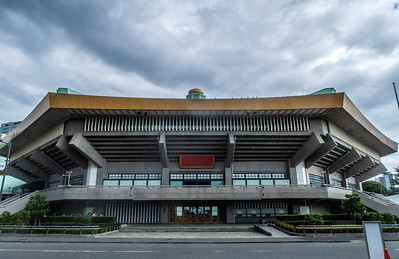
Or for music since the 14,500-seat Nippon Budokan (日本武道館), although built in 1964 to host judo in the first Tokyo Olympics, is probably used more for concerts than for martial arts' events. Oddly, and despite my relationship with the martial arts, I hadn't posted it until now so here it is!
(For a bigger version of this picture both in color and black and white, check my "Japan Arekore" set on Flickr).
Ή για τη μουσική μια και το 14.500 θέσεων Νίπον Μπούντοκαν (日本武道館) αν και φτιάχτηκε το 1964 για να στεγάσει το τζούντο στους πρώτους Ολυμπιακούς αγώνες της Ιαπωνίας, μάλλον χρησιμοποιείται περισσότερο για συναυλίες παρά για εκδηλώσεις σχετικές με τις πολεμικές τέχνες. Παραδόξως, και παρά τη σχέση μου με τις πολεμικές τέχνες, δεν το είχα ποστάρει ως τώρα, οπότε ιδού!
(Για την ίδια φωτογραφία σε μεγαλύτερο μέγεθος και σε μαυρόασπρη εκδοχή, δείτε το σετ «Japan Arekore» στο Flickr).
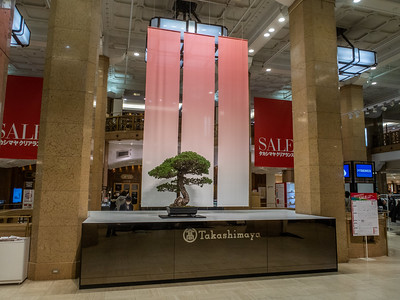
On Christmas it was, of course, a Christmas tree. On New Year's, a pine --to be more accurate, a wonderful bonsai,.
(For a bigger version of this picture both in color and black and white, check my "Japan Arekore" set on Flickr).
Τα χριστούγεννα ήταν, βεβαίως, χριστουγεννιάτικο δέντρο. Την Πρωτοχρονιά, πεύκο --και για την ακρίβεια ένα εξαιρετικό μπονσάι.
(Για την ίδια φωτογραφία σε μεγαλύτερο μέγεθος και σε μαυρόασπρη εκδοχή, δείτε το σετ «Japan Arekore» στο Flickr).
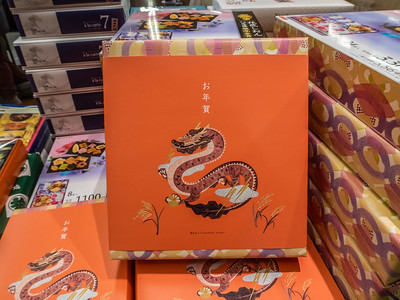
...this time as senbei crackers --of course this packaging will only be available until the end of the month.
(For a bigger version of this picture both in color and black and white, check my "Japan Arekore" set on Flickr).
...αυτή τη φορά σε κράκερ σεμπέι --βεβαίως, η συγκεκριμένη συσκευασία θα είναι διαθέσιμη μόνο ως το τέλος του μήνα.
(Για την ίδια φωτογραφία σε μεγαλύτερο μέγεθος και σε μαυρόασπρη εκδοχή, δείτε το σετ «Japan Arekore» στο Flickr).
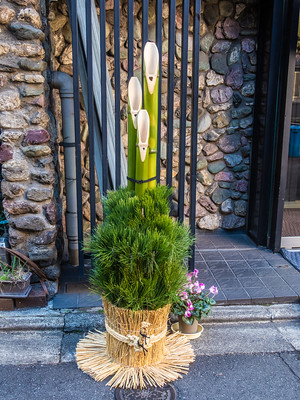
And in various places all over Asakusa, the pine and bamboo combinations called "kadomatsu" (門松) and whose cut top allegedly started from Tokugawa Ieyasu (徳川家康, 1543-1616), before he became shogun when, some time in the end of 1572 and with the New Year getting close, he cut a bamboo with his sword saying that this is how he will cut down his opponent, Takeda Shingen (武田 信玄, 1521–1573) --"take" in Takeda's name can also mean "bamboo" written with a different character. For the record, Takeda died four months later but not by Ieyasu's hand: probably from pneumonia.
(For a bigger version of this picture both in color and black and white, check my "Japan Arekore" set on Flickr).
Και σε διάφορα σημεία της Ασακούσα, οι συνδυασμοί πεύκου και μπαμπού που λέγονται "καντομάτσου" (門松) και των οποίων η κομμένη κορυφή υποτίθεται ότι ξεκίνησε από τον Τοκουγκάουα Ιεγιάσου (徳川家康, 1543-1616), πριν γίνει σογκούν, όταν κάποια στιγμή, στο τέλος του 1572, όταν πλησίαζε η Πρωτοχρονιά έκοψε ένα μπαμπού με το σπαθί του λέγοντας ότι έτσι θα κόψει το κεφάλι του αντιπάλου του, Τακέντα Σίνγκεν (武田 信玄, 1521–1573) --το "τάκε" στο όνομα του Τακέντα, αν γραφτεί με άλλο ιδεόγραμμα, σημαίνει "μπαμπού". Για την ιστορία, ο Τακέντα πέθανε τέσσερις μήνες αργότερα, αλλά όχι από το χέρι του Ιεγιάσου: ενδεχομένως από πνευμονία.
(Για την ίδια φωτογραφία σε μεγαλύτερο μέγεθος και σε μαυρόασπρη εκδοχή, δείτε το σετ «Japan Arekore» στο Flickr).

At an other Asakusa side street, bamboo and pink and white hanamochi (花餅) balls; normally hanamochi are made of mochi rice but these days they are mostly plastic. Still pretty though.
(For a bigger version of this picture both in color and black and white, check my "Japan Arekore" set on Flickr).
